











Homicipher



In Homicipher you start alone in a low-poly space with a flashlight and no map, and that opening isolation matters more than anything after it. There’s no tutorial popup — just a dark room, a beam of light, and the sense that something else is present.
| Genre | Short-form Horror |
| Platform | Browser (HTML5) |
| Perspective | First-person |
| Session Length | Single short sitting |
The Flashlight as the Only Tool in Homicipher
The core mechanic is simple: you carry a flashlight, and where you point it decides what you can see. Batteries aren’t infinite, so managing the beam becomes a constant small decision.
New players overuse the light early, sweeping every corner out of anxiety, and burn through a chunk of battery before the pressure ramps up. Slower players who ration their light last longer once the presence starts actively hunting.
By the second connected room, the game stops letting you backtrack — the first signal Homicipher is tightening its structure around you.
What the Presence in Homicipher Actually Does
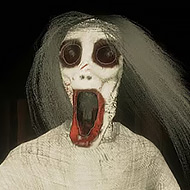
Players describe the thing stalking you less as a monster with a defined shape and more as a shifting silhouette reacting to sound and light. That ambiguity divides players — some find it unsettling, others find the lack of clear rules frustrating.
A few habits noticeably improve your odds once it activates:
- Killing the flashlight briefly when you hear movement close by.
- Moving along walls rather than open floor space.
- Listening for the floor creak that precedes it appearing.
That floor creak is the one detail only players who’ve sat through a full run recognize immediately.
How Difficulty Shifts Through a Run
Difficulty in Homicipher scales through space rather than stats. Rooms get smaller and more cluttered the deeper you go, and the margin for error narrows.
There’s no health bar — one mistake late in a run ends things outright. Most complete runs land under fifteen minutes once you know the layout from a prior death, while first-timers take longer.
A typical run after one death breaks down roughly like this:
- An opening stretch of unpressured exploration while you learn the layout.
- A shift once the presence activates, signaled by the floor creak.
- A tense middle where flashlight management decides whether you’re spotted.
- A final stretch where the space narrows and mistakes become unrecoverable.
Why the Ambiguity in Homicipher Divides Players
Whether Homicipher counts as scary rather than just tense depends on what a player wants from horror. There’s no jump scare in the conventional sense, and nothing resolves what the presence actually is. Players wanting a definitive explanation are left wanting more; players who prefer horror that stays unresolved rank it favorably for that reason.
Cautious players get the most out of the flashlight-rationing mechanic, treating each sweep of light as a deliberate cost. Players who’d rather keep moving find the caution tedious, a fair criticism given how little the core loop varies.
Homicipher isn’t trying to be a long or elaborate horror game, and it doesn’t pretend otherwise — it’s built around that one flashlight, that one floor creak, and the discomfort of never quite knowing what’s sharing the dark with you.